
Water quality testing is essential in pharmaceutical manufacturing, environmental monitoring, food and beverage production, and laboratory microbiology. One of the most widely used methods for detecting microorganisms in water samples is membrane filtration.
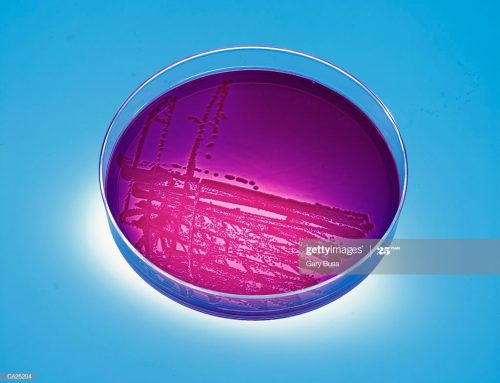
Membrane filtration works by passing a measured volume of water through a membrane filter that captures bacteria, yeast, and other microorganisms. The membrane is then placed on a suitable culture medium where any retained organisms can be incubated, detected, and counted.
Benefits of Microbiological Filtration Monitors
Microbiological filtration monitors simplify membrane filtration by combining a sterile funnel and membrane filter into a single disposable unit. This reduces handling steps, improves workflow efficiency, and helps laboratories maintain consistent testing procedures.
These filtration monitors are commonly used for pharmaceutical water testing, environmental water monitoring, beverage microbiology, and other applications where reliable microbial detection is required.
Applications of Membrane Filtration in Water Testing
Membrane filtration is widely used for pharmaceutical water testing, environmental monitoring, beverage production, and laboratory microbiology. The method allows laboratories to process larger sample volumes while maintaining accurate microbial recovery and enumeration. Because of its reliability and efficiency, membrane filtration remains a preferred technique for routine water quality analysis and regulatory testing programs.
Related Products
For laboratories looking to simplify membrane filtration workflows, Accuscience offers a range of Micro-Biological Filter Monitors, Microbiological media, and membrane filtration consumables designed for efficient microbiological water analysis. These sterile disposable units combine a funnel and membrane filter in a single ready-to-use format, helping improve laboratory productivity and consistency.